
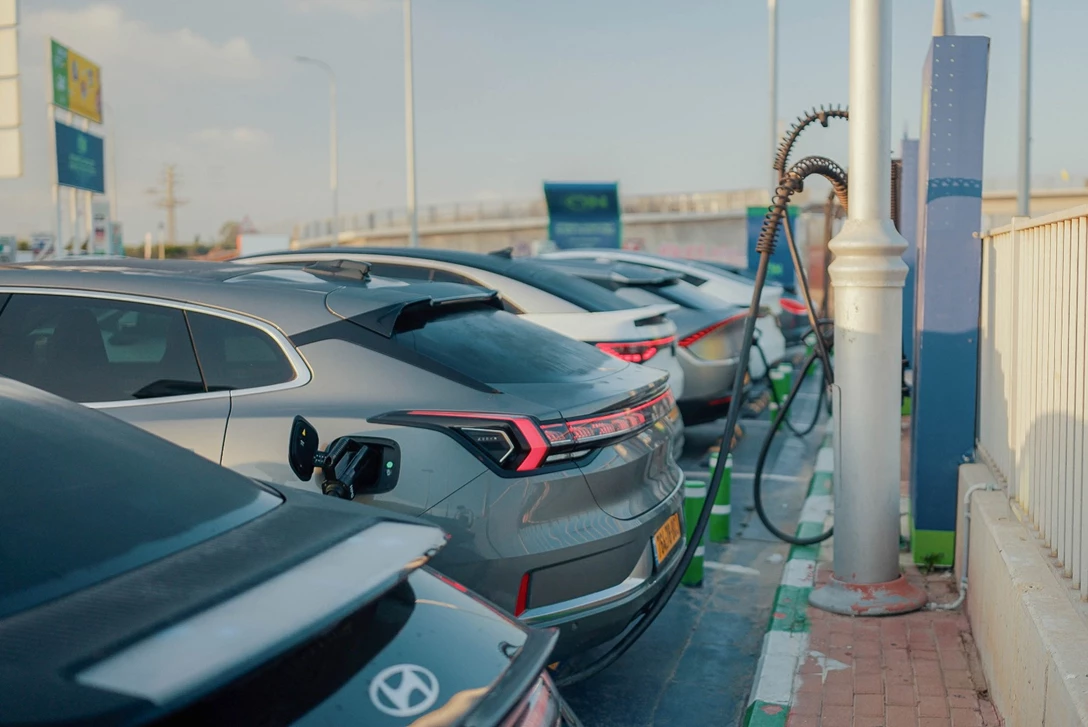
A regulatory impact assessment published by the Electricity Authority estimated that about 25 companies were operating more than 9,000 public charging stations in Israel at the time of the review. It also noted that a large part of electricity supply was concentrated among a smaller number of operators, an important factor when designing licensing and consumer-protection rules.
Key facts
- The regulatory assessment estimated that about 25 companies operated more than 9,000 public charging stations in Israel at the time of the review.
- A significant share of electricity supply was concentrated among fewer operators, and the report warns that “site”, “station”, “point” and “connector” are not always counted in the same way.
Context and details
This development should be read in the wider context of a charging market that is changing quickly. A published proposal, a pilot, an adopted standard and an operational service are not the same stage. The original source therefore remains important for confirming the exact geography, timetable, participants, technical scope and any limitations that apply.
For drivers and property owners, the practical effect depends on more than the headline. Availability, connector compatibility, charging power, payment method, access hours, network capacity and maintenance all determine whether a new service or rule will be useful in everyday use. For a private installation, the electrical panel, cable route, protection, earthing and load management still need to be checked on site.
Figures for “stations”, “sites”, “charging points” and “connectors” are not always interchangeable, so totals from different publications can appear inconsistent. The official review is useful because it explains the market structure behind the new regulation rather than presenting only a headline count.
Why it matters
The useful lesson is to look beyond a headline number or announcement. A charging project must be checked for real operating status, available power, connector compatibility, payment access and maintenance. For a private installation, the electrical panel, cable route, protection, earthing and load management still determine the correct solution.
What it means in practice
For installation, regulation, pricing or route-planning decisions, open the original source and check whether a newer official update has been published.
What to verify before acting
Before planning a trip, buying equipment or ordering an installation, open the original publication and check whether a newer official update has appeared. Confirm that the information applies to the relevant location and vehicle, and distinguish between announced capacity and equipment that is already connected and available. This approach avoids decisions based only on a headline or an outdated number.