
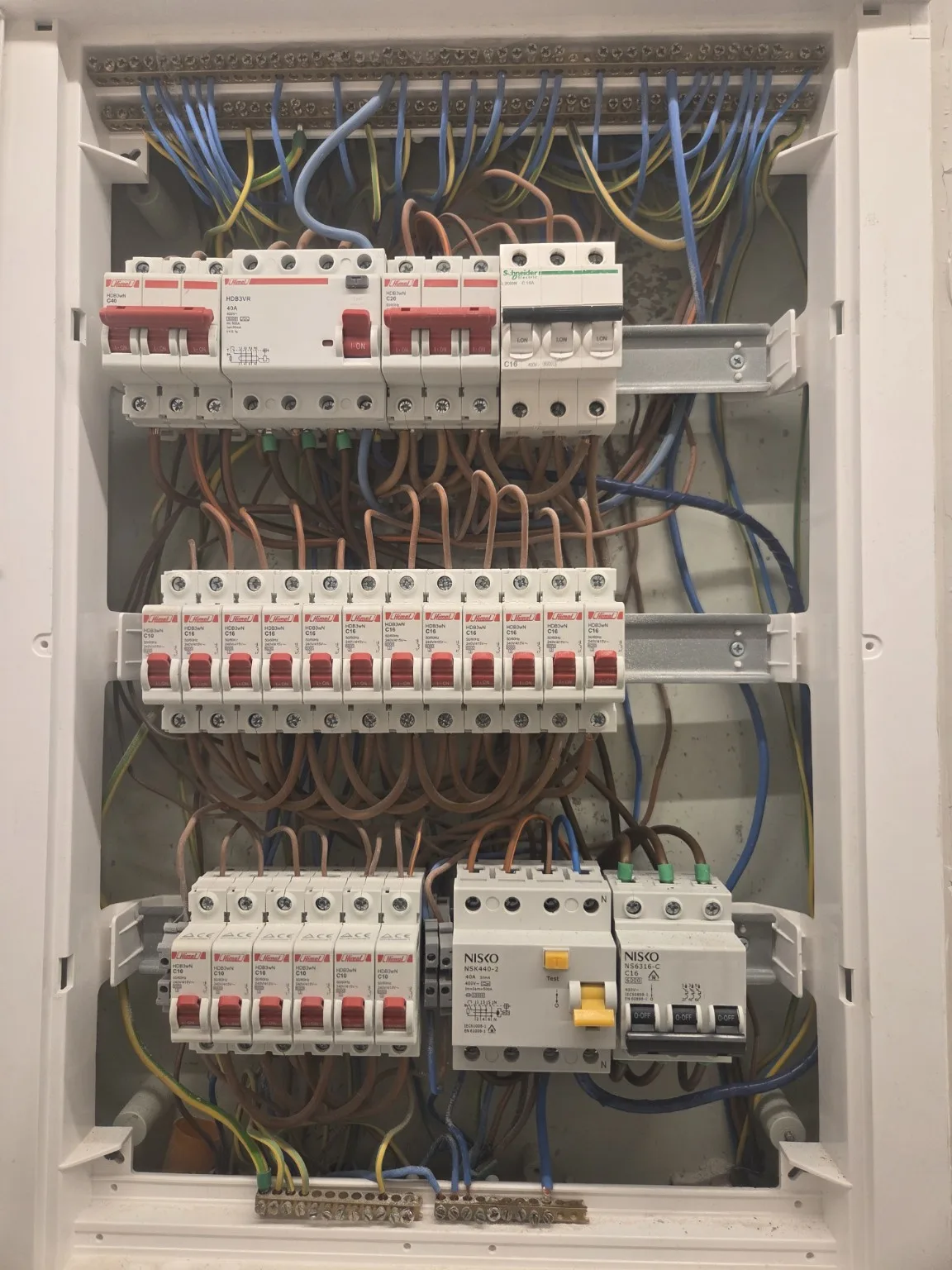
Israel’s Electrical Administration published updated installation guidance covering the planning, connection, protection and inspection of EV charging systems. The document requires work to be performed by an electrician with an appropriate licence and calls for a dedicated final circuit, stable equipment mounting, suitable protective devices and checks before operation.
Key facts
- The guidance requires an appropriately licensed electrician, a dedicated final circuit, suitable protection, secure mounting and checks before the system is put into service.
- The design must take account of the building supply, panel condition, cable length and route, voltage drop, parking environment, manufacturer instructions and future load management.
Context and details
This development should be read in the wider context of a charging market that is changing quickly. A published proposal, a pilot, an adopted standard and an operational service are not the same stage. The original source therefore remains important for confirming the exact geography, timetable, participants, technical scope and any limitations that apply.
For drivers and property owners, the practical effect depends on more than the headline. Availability, connector compatibility, charging power, payment method, access hours, network capacity and maintenance all determine whether a new service or rule will be useful in everyday use. For a private installation, the electrical panel, cable route, protection, earthing and load management still need to be checked on site.
The guidance makes clear that choosing a charger only by its advertised power is not enough. The electrician must consider the building supply, electrical panel, cable length and route, voltage drop, parking conditions, manufacturer instructions and the charging system’s location. Shared buildings may also require a properly designed method for metering, management and future expansion.
Why it matters
The useful lesson is to look beyond a headline number or announcement. A charging project must be checked for real operating status, available power, connector compatibility, payment access and maintenance. For a private installation, the electrical panel, cable route, protection, earthing and load management still determine the correct solution.
What it means in practice
For installation, regulation, pricing or route-planning decisions, open the original source and check whether a newer official update has been published.
What to verify before acting
Before planning a trip, buying equipment or ordering an installation, open the original publication and check whether a newer official update has appeared. Confirm that the information applies to the relevant location and vehicle, and distinguish between announced capacity and equipment that is already connected and available. This approach avoids decisions based only on a headline or an outdated number.