
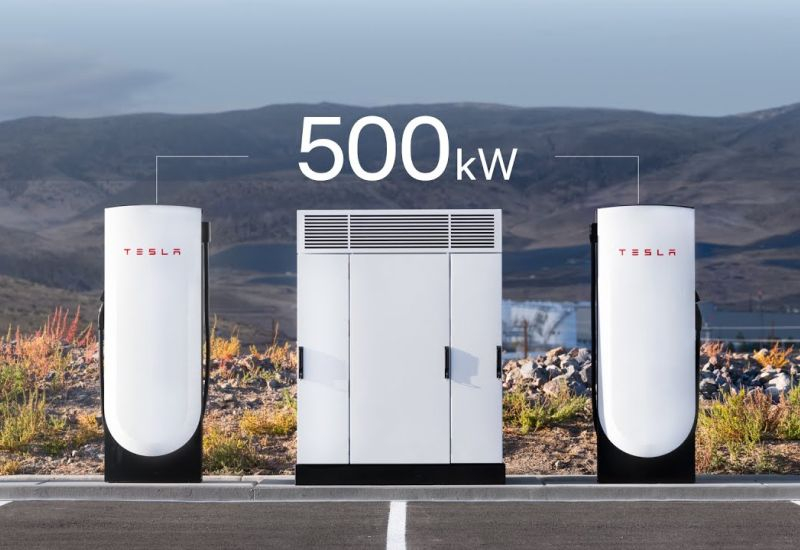
3DNews reported that Elon Musk suggested using the high-capacity electrical connections already installed at powerful Tesla Supercharger sites to supply modular Megapod AI supercomputers. The modules could form part of a distributed computing network instead of relying only on a few very large data centres.
Key facts
- The idea uses the grid connection already built for large Supercharger locations; it does not mean chargers would automatically be removed or converted.
- No approved site list, construction timetable, budget or operating plan was announced in the cited report.
Context and details
This development should be read in the wider context of a charging market that is changing quickly. A published proposal, a pilot, an adopted standard and an operational service are not the same stage. The original source therefore remains important for confirming the exact geography, timetable, participants, technical scope and any limitations that apply.
For drivers and property owners, the practical effect depends on more than the headline. Availability, connector compatibility, charging power, payment method, access hours, network capacity and maintenance all determine whether a new service or rule will be useful in everyday use. For a private installation, the electrical panel, cable route, protection, earthing and load management still need to be checked on site.
The proposal is technically interesting because fast-charging sites already require substantial grid connections, transformers and power-management equipment. However, it remains an idea discussed by Musk rather than a confirmed construction programme. Any real deployment would still need site-specific grid capacity, cooling, permits and a design that does not reduce charger availability for drivers.
Why it matters
The useful lesson is to look beyond a headline number or announcement. A charging project must be checked for real operating status, available power, connector compatibility, payment access and maintenance. For a private installation, the electrical panel, cable route, protection, earthing and load management still determine the correct solution.
What it means in practice
For installation, regulation, pricing or route-planning decisions, open the original source and check whether a newer official update has been published.
What to verify before acting
Before planning a trip, buying equipment or ordering an installation, open the original publication and check whether a newer official update has appeared. Confirm that the information applies to the relevant location and vehicle, and distinguish between announced capacity and equipment that is already connected and available. This approach avoids decisions based only on a headline or an outdated number.